A bill that would permanently remove gray wolves from the endangered and threatened species list nationwide passed in the U.S. House of Representatives 211-204 in December 2025.
The Pet and Livestock Protection Act was brought forth by Colorado Rep. Lauren Boebert and co-sponsored by more than 30 other lawmakers. The Dec. 18, 2025, vote on the proposed legislation was split largely along party lines: Republicans voted for the bill, while Democrats cast their votes against.
The legislation seeks to remove gray wolves from the federal Endangered Species Act (ESA) list, allowing states to manage their resident populations. The bill would effectively remove protections from approximately 2,800 wolves currently living in seven western states and would also prevent courts from conducting any legal review of the decision.
The status of wolves on the endangered list has seen a lot of back and forth over the years. After almost being fully extirpated from the United States by the 1970s, wolves were placed for the first time under the ESA. In 2009, wolves were delisted, which ignited a slew of litigation, and it wasn’t until 2022 that most U.S. wolves were once again back on the endangered list.
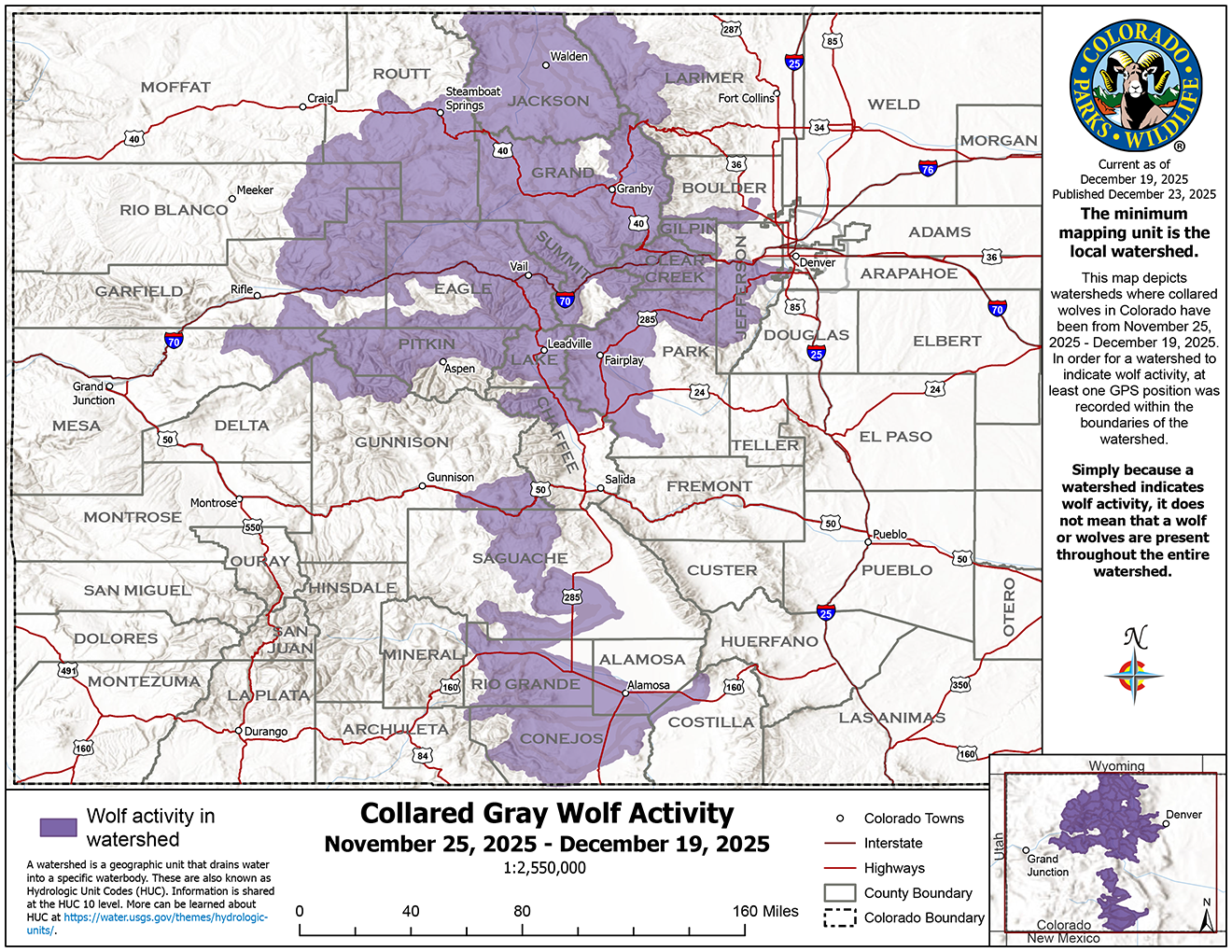
Boebert stated during the floor debate on the bill that “Colorado is at the center of our nation for wolf battles.”
She added, “The science is crystal clear on this issue. Gray wolves should no longer be on the endangered species list. We can no longer put farmers, ranchers and even our pets in harm’s way by using taxpayer dollars to protect a species that has been fully recovered. It’s time for the federal government to get out of the way and allow the state and tribal wildlife agencies to manage the species.”
Democrats argued that with wolf reintroduction efforts currently underway, the predator had yet to make a full recovery and any effort to delist would do more harm than good.
“Removing federal protections would be premature and dangerous,” said Democratic Rep. Debbie Dingell, of Michigan. “Too soon after previous de-listing efforts, several states moved quickly to authorize aggressive hunting and trapping seasons, and in some cases, wolf populations declined sharply within a single year. These setbacks erased decades of conservation progress and created instability rather than sound wildlife management.”
In a similar effort, Boebert introduced the Trust the Science Act in 2025, which likewise passed in the House but made it no further. The most recent vote will need to make it through the Senate and receive the president’s signature before officially becoming law.


 >