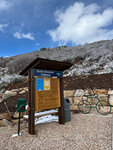
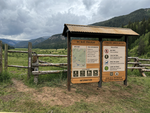
Across the country, parks, trails, forests, campgrounds and scenic recreation areas give visitors a place to explore, slow down and connect with the outdoors. Whether someone is hiking to a waterfall, finding a campground loop, looking for a trailhead, visiting a historic site or stopping at a scenic overlook, one detail helps shape the experience from start to finish: clear, durable signage.
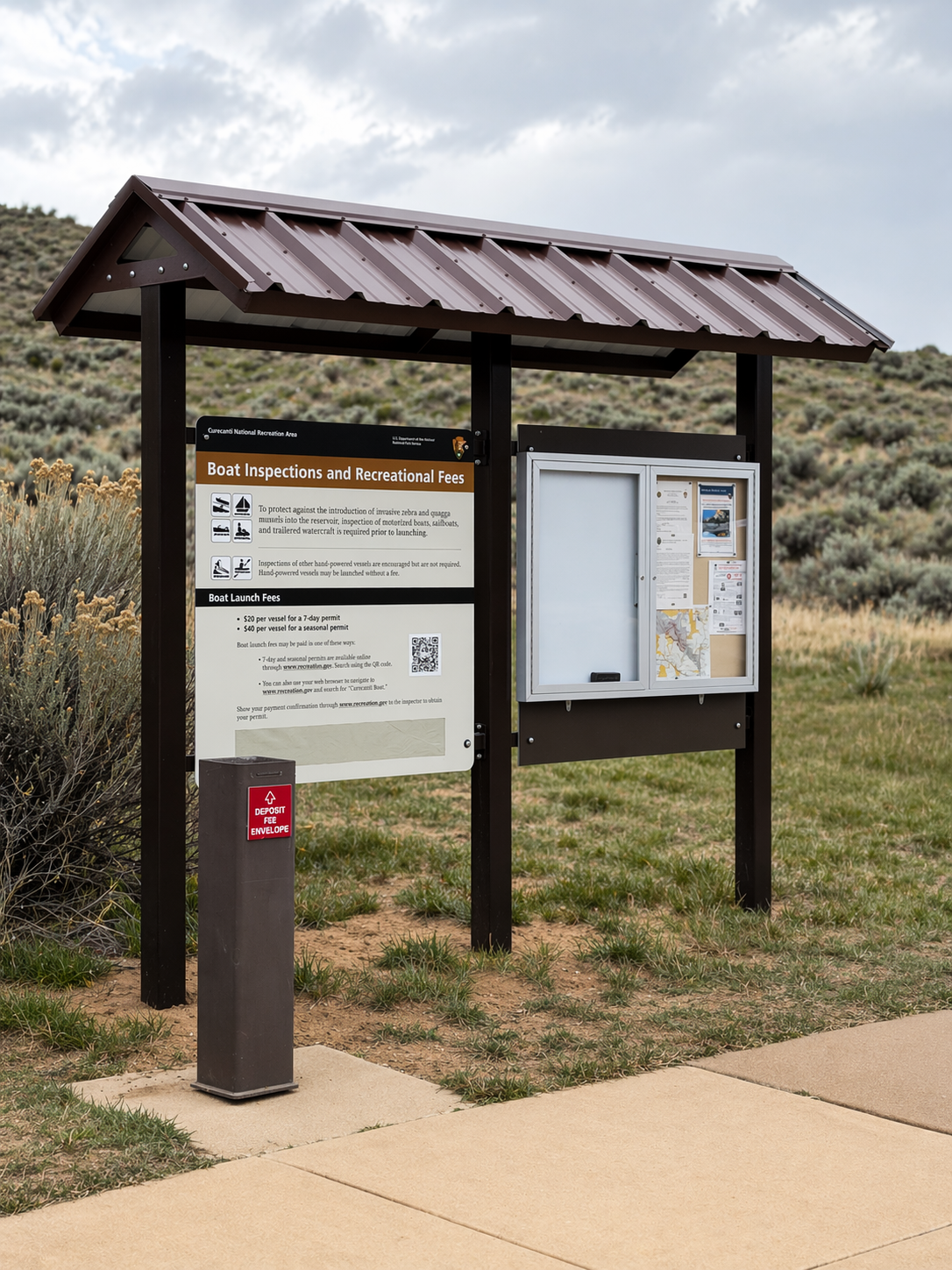
Park signs do more than point people in the right direction. They help visitors feel confident, safe and informed. They identify entrances, mark trails, explain natural and historic features, guide people to land and water access points, and help public agencies communicate important rules.
For outdoor destinations that serve local residents, seasonal travelers and first-time visitors, signs are part of the visitor experience.
An entrance sign is often the first thing a visitor sees. It tells people they have arrived, sets the tone for the property and reinforces the identity of the park or public space.
For national parks, state parks, county parks, campgrounds, trail systems and recreation areas, that first impression matters. A well-made entrance sign should be easy to read, professionally built and designed to fit the surrounding environment.
Wood signs are especially common in outdoor settings because they feel natural, established and connected to the landscape. Routed signs, reflective signs and custom-built public land signs can help create a consistent look while still meeting the practical demands of the location.
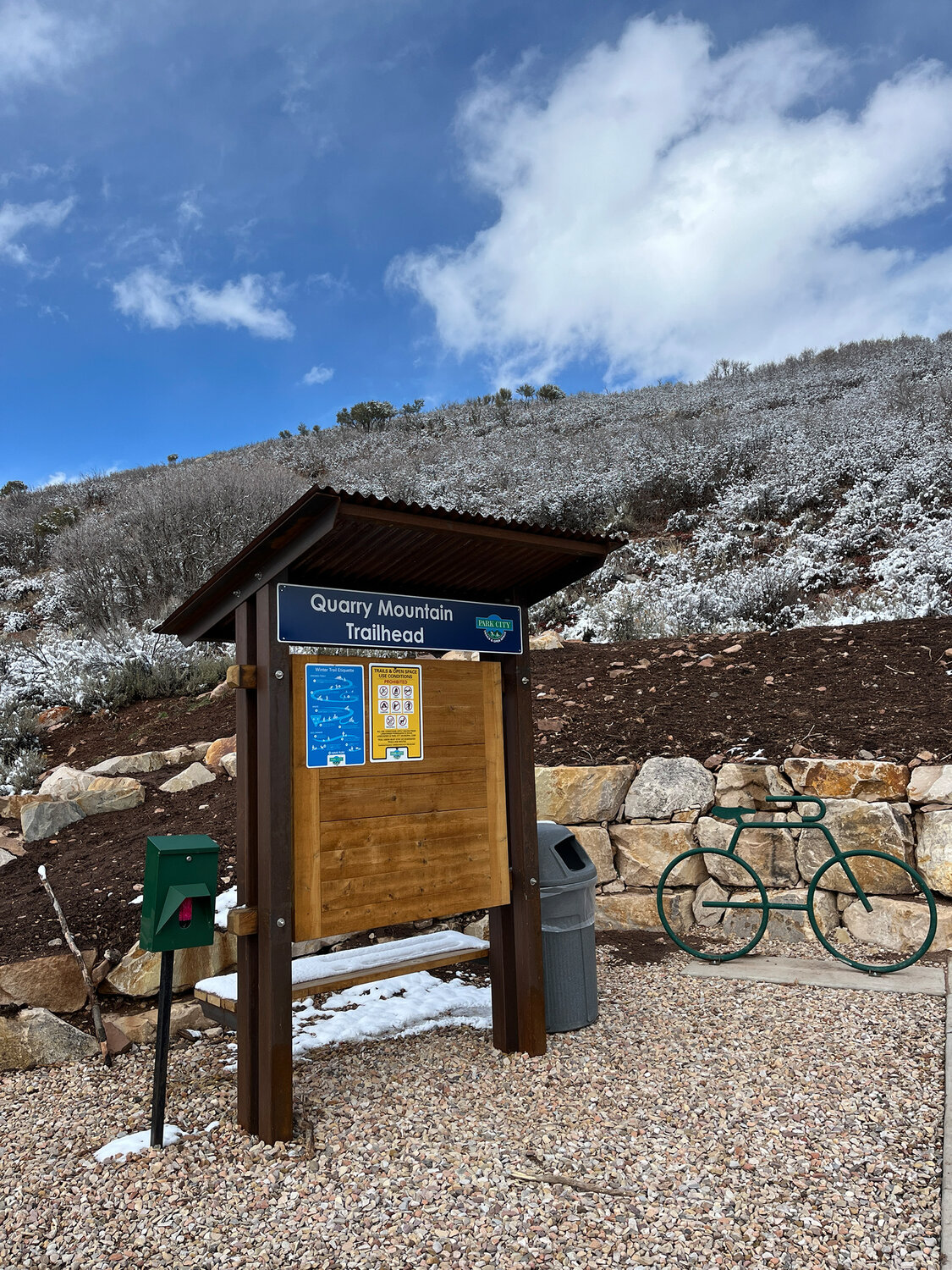
Trail systems can be simple or complex. Some have short walking paths. Others include miles of hiking, biking, snowshoeing, horseback riding or multi-use trails. Without clear trail signs, even a beautiful outdoor destination can become confusing.
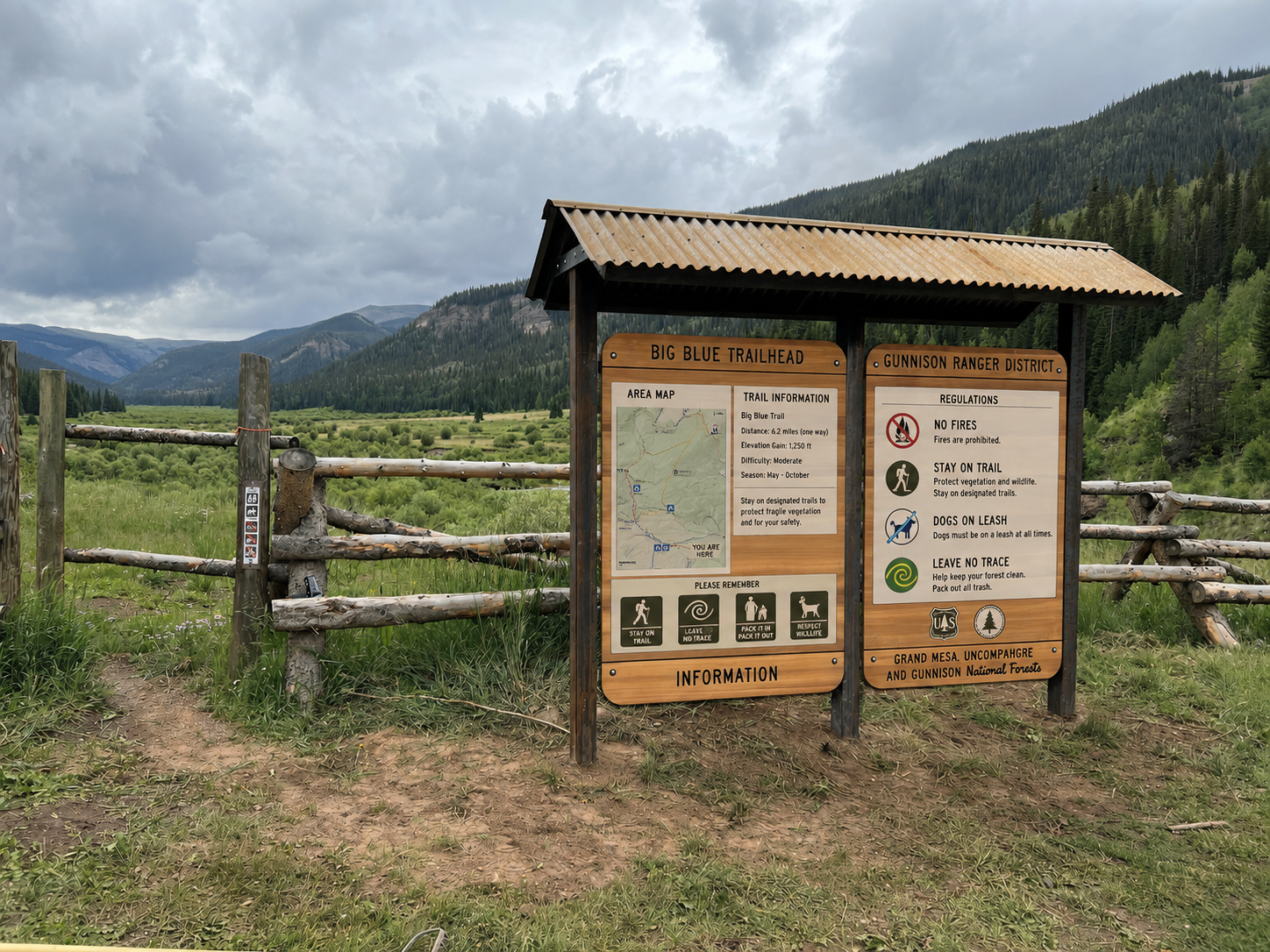
Good trail signs help visitors understand where they are, where they are going and what to expect along the way. They can mark trail names, mileage, difficulty, intersections, warnings, closed areas and points of interest.
For parks and recreation departments, clear trail signage also reduces unnecessary questions, limits wrong turns and supports visitor safety. In busy outdoor areas, that can make a major difference.
Some of the most effective park signs do more than provide directions. Interpretive signs help tell the story of a place.
They may explain local wildlife, geology, plants, waterways, cultural history, conservation efforts or historic landmarks. A scenic overlook becomes more memorable when visitors understand what they are seeing. A trail becomes more engaging when signs explain the land around it.
Interpretive signs are especially valuable for parks, forests, nature centers, historic sites and public lands.
Wood Product Signs provides custom park signage for trails, entrances and public lands, including routed signs, reflective signs, interpretive signs, entrance signs, trail signs, land and water signs, plaques and more.


 >
>